The Ultimate O-Level Islamiyat Study Guide (2026)
How do you secure an A* in O-Level Islamiyat (2058)?
Cambridge O-Level Islamiyat (2058) is a unique subject because it requires the rigorous historical citation of World History combined with the moral and social evaluation of Sociology. You are essentially studying the foundational texts, the biographical history, and the applied ethics of a global religion.
The Cambridge examiners are extremely strict regarding chronology and factual accuracy. You cannot merge the events of the Battle of Badr with the Battle of Uhud. You cannot confuse the compilation efforts of Abu Bakr (RA) with the standardization efforts of Uthman (RA). But beyond memory, the exam is inherently designed to test relevance. Let us dismantle how to tackle Papers 1 and 2.
📋 Table of Contents
1. The CAIE 2058 Paper Breakdown
The syllabus evaluates you across two equally weighted written papers. There is no coursework.
| Paper | Core Content | Duration | Marks | Weight |
|---|---|---|---|---|
| Paper 1 | Qur'anic Themes, History of Compilation, Life of the Prophet (PBUH) | 1 Hr 30 Min | 50 Marks | 50% |
| Paper 2 | Hadiths, Rightly Guided Caliphs, Articles of Faith, Pillars of Islam | 1 Hr 30 Min | 50 Marks | 50% |
2. Masterclass: Paper 1 (Qur'an & The Seerah)
Question 1: Major Themes of the Qur'an
Question 1 is compulsory. You will be given three passages (from the syllabus list of 15) and asked to explain the primary theme of two of them, and then explain their importance.
You must instantly categorize the passage into one of three themes: Allah in Himself (e.g., Ayat al-Kursi outlining God's omnipotence and majesty), Allah's relationship with the created world (e.g., Surah Al-Fatihah establishing the master-servant dynamic), or Allah's Messengers (e.g., stories of Adam, Ibrahim, or Isa). State the overarching theme in your very first sentence. Review our breakdown of Makkan vs Madinan Surahs.
The Compilation of the Qur'an
You must flawlessly distinguish between the initial compilation under the first Caliph, Abu Bakr (RA), driven by Umar (RA)'s fear after the Battle of Yamama, and the subsequent standardization under the third Caliph, Uthman (RA), which was driven by varying dialects emerging in newly conquered territories. Mixing these two eras up drops major historical marks. Study the exact timeline in our Compilation Record Guide.
The Life of the Prophet (PBUH)
The Seerah questions (usually Questions 2 through 5) require narrative precision. If asked about the boycotts in Makkah (Shi'b Abi Talib), you must mention the exact duration (3 years) and the specific clans involved.
When describing the major battles (Badr, Uhud, Trench), structure your answer chronologically: The Causes (why did the armies meet?), the Events (key tactical maneuvers, numbers, and the outcome), and the Consequences (how did this alter the political landscape of Arabia?).
3. Masterclass: Paper 2 (Hadith & the Caliphs)
Question 1: The Selected Hadiths
Similar to Paper 1, you will be given four Hadiths (from a syllabus set of 20) in English. You must explain the teachings of two, and how Muslims put them into action. You must understand themes of individual communal responsibility, sincerity in action, and the treatment of the vulnerable (orphans, neighbors).
The Rightly Guided Caliphs
This is a massive historical section testing the era immediately following the Prophet’s (PBUH) passing. For each of the four Caliphs, you must know their election process, their major achievements, and the challenges they faced.
- Abu Bakr (RA): The Ridda Wars (Wars of Apostasy), saving the central authority of Medina.
- Umar (RA): Administrative reforms (Diwan, Shura, police force) and massive territorial expansions (Jerusalem, Persia).
- Uthman (RA): Economic prosperity, naval expansion, and the standardization of the Qur'an.
- Ali (RA): Navigating complex civil strife, the Battle of the Camel, and the Battle of Siffin.
Drill these timelines using our Rightly Guided Caliphs Framework.
Articles of Faith & Pillars of Islam
You must distinguish between the Articles of Faith (Belief in Allah, Angels, Books, Prophets, Day of Judgement, Predestination) which are the internal, theological beliefs, and the Pillars of Islam (Shahada, Salah, Zakat, Sawm, Hajj) which are the external, physical actions. Examiners often use these interchangeably as a trap to see if you are paying attention. Ensure clarity utilizing our Articles vs Pillars Matrix.
4. The Part (a) vs Part (b) Trap
Part (b) questions are worth 4 marks and demand modern application. E.g., 'How can Muslims apply the patience seen at Ta'if today?' Students frequently write generic, preachy answers: 'We should all be good and patient like the Prophet.' This scores 1 mark. You MUST give specific modern scenarios. 'A Muslim facing bullying at school should respond with patience and avoid retaliation, mirroring the Prophet's refusal to curse the people of Ta'if.'
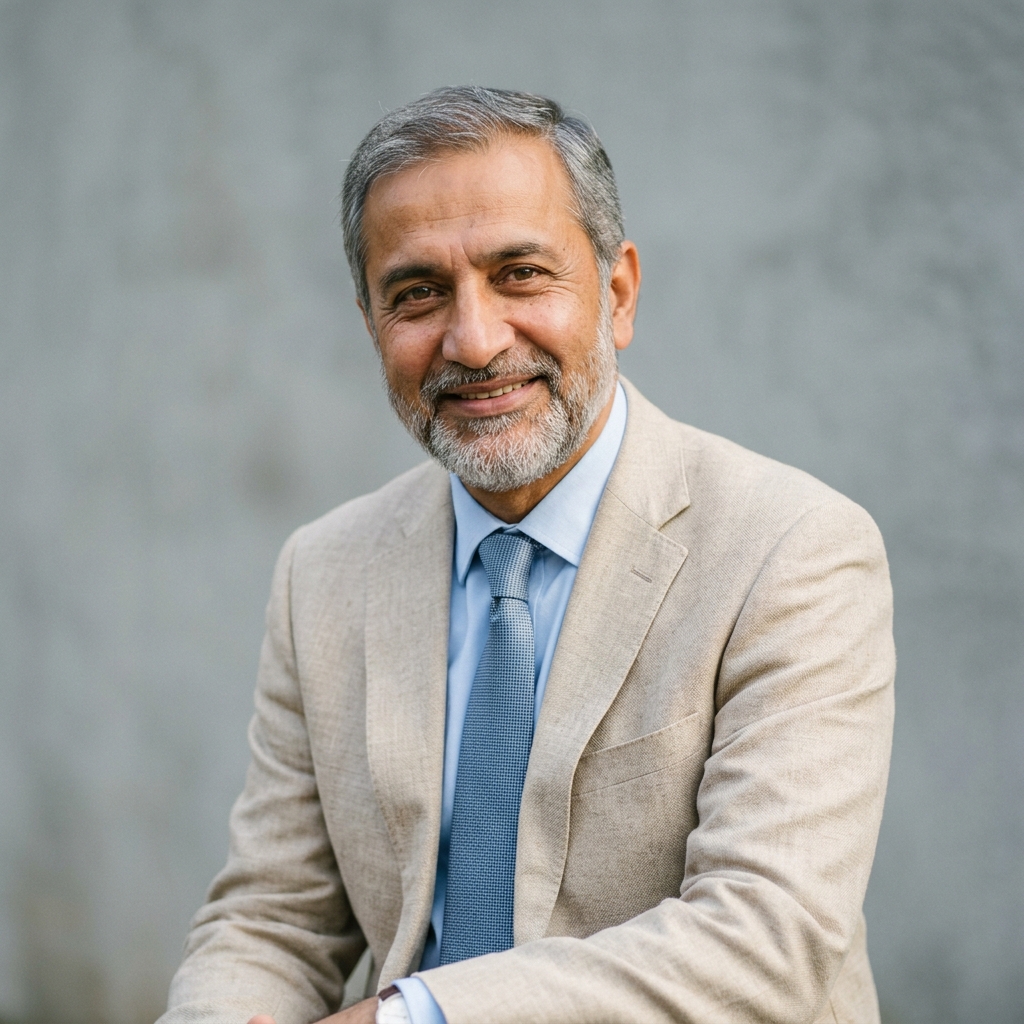 📋 From the Desk of Tariq Mahmood
Sectarian or controversial theological debates have no place in O-Level Islamiyat. The syllabus is rigidly designed to reflect universally accepted historical and theological axioms. If you turn an essay on Uthman (RA) into a personal sectarian argument, the examiner will ignore the rhetoric entirely and only grade the historical facts presented.
Fix Your Part (b) Applicational Answers
Don't lose 4 marks every time because you are "too generic." Type your answers into the Oracle Engine to evaluate if your modern-day examples are specific enough for the CAIE marking scheme.
Access the Islamiyat Practice App